 FACETWIREPrice Intelligence
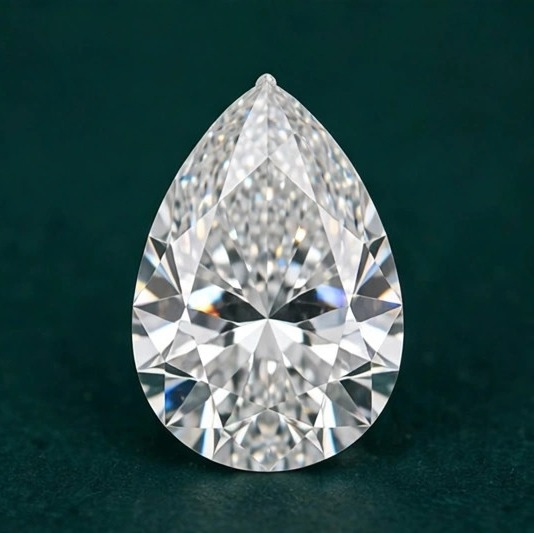 Pear
FACET WIRE PRICE GUIDE
Engagement Season 2026: What Your Budget Actually Buys
Published 2026-10-21 · From live tracked listings
The stretch from Thanksgiving to Valentine's Day is the busiest proposal window of the year, and December is consistently the most popular single month to propose in The Knot's annual survey. So, the honest version of the question everyone is about to ask: what does a given budget buy in a diamond right now? Not brochure numbers — tonight's market. Facet Wire tracks 2,803 live listings across 10 retailers, and this guide reads straight from them. The context matters: BriteCo's 2026 price index counted lab-grown stones in 51% of new engagement rings in the first half of 2026 — a majority for the first time — and the typical center stone is now about 2 carats. The tracked medians below show exactly why.
The budget table
Lab-grown listings tracked tonight, by budget. "Largest stone" is the biggest-carat tracked listing at or under that budget right now — the ceiling of what the money reaches, not the typical buy.
| Budget | Tracked lab listings under it | Largest stone at that budget |
|---|---|---|
| $500 | 405 | 1.60 ct pear — $405 (Ritani) |
| $1,000 | 1,082 | 3.00 ct oval — $952 (Ritani) |
| $1,500 | 1,445 | 3.70 ct round — $1,471 (Whiteflash) |
| $2,500 | 1,793 | 7.59 ct pear — $1,999 (Ritani) |
Read it the right way: even the $500 tier is not a compromise bin — 405 real, certified stones sit under it. And the $1,000 tier is where the season's story lives: over a thousand listings, reaching a 3-carat oval. For a deeper walk through budget tiers, see our diamond budget guide.
Pear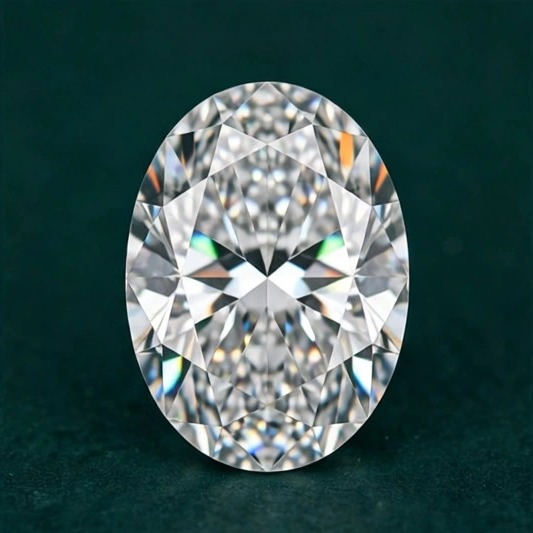 OvalPear
The median ring math
Medians are the typical buy, and this is the comparison that explains the lab-grown majority. In tonight's tracked listings, the median 2-carat lab-grown diamond is $1,574 (301 listings). The median 2-carat natural is $15,874 (22 listings) — ten times the price for the same weight on the finger. At 1 carat the gap is $662 lab (251 listings) against $3,977 natural (57). That is the whole engagement-season story in one line: budgets that used to buy a modest natural stone now buy a large lab-grown one, which is why the typical center stone has doubled. If your heart is set on natural, buy it with eyes open — the same advice, and the same Price Index, applies.
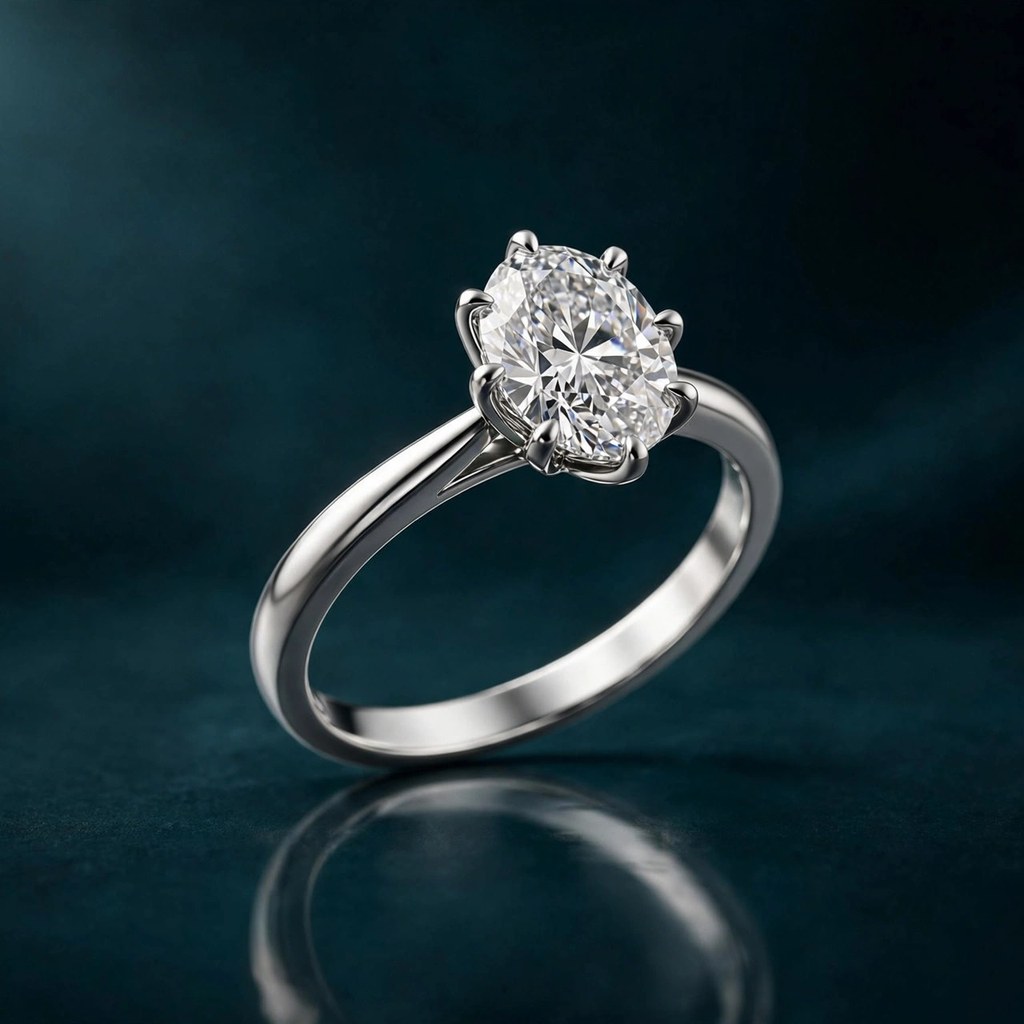
One cost the stone price hides: the setting. Complete-ring totals on our Rings pages — setting plus a tracked reference stone — start at $1,131 for a solitaire, so a realistic all-in season budget is the stone number from the table above plus the setting line, not the stone alone. Shape-wise, the stone half of that bill is cheapest in the elongated cuts this year — see our 2026 elongated-shape trend report — and our 1-carat price guide breaks the entry tier down by shape.
Three rules for buying in season
Compare the certificate, not the sales page. The identical certified stone is frequently listed by several retailers at different prices. Run any stone you are quoted through Check a Price before paying — How We Match explains how the same stone gets lined up across stores.
Watch the gaps, not the sticker. December demand moves fast, but so do listings: stones get repriced and delisted weekly. The Deals page tracks the widest current gaps between identical specs, which is where season pricing mistakes — in your favor — actually show up.
Buy the stone you checked, when you have checked it. Lab-grown prices spent years falling and have flattened near production cost in 2026; there is no prize for panic-buying in November, and no penalty for verifying first. A week of checking beats a season of overpaying.
Frequently asked questions
When does engagement season start?
The busy window runs from Thanksgiving through Valentine's Day, peaking in December — the most popular proposal month in The Knot's annual survey. Retailer inventory and pricing move fastest inside that window.
Is 2 carats the new normal?
Close to it. BriteCo's index put the median center stone at 2.0 carats in 2025, double the 2019 figure, and our tracked median for a 2-carat lab-grown stone is $1,574 — large stones are now the mid-budget default, not the splurge.
Lab-grown or natural on a fixed budget?
On the same budget, lab-grown buys roughly ten times the diamond at 2 carats by tracked medians ($1,574 vs $15,874). Natural keeps a resale and tradition argument; lab wins on size and specs per dollar. The right answer depends on which of those you value — the prices above are the facts to decide with.
Data: live retailer listings tracked by Facet Wire (7,802 listings across 11 retailers at publication), refreshed on every scrape. Prices are the retailers' listed prices at capture time. Industry figures: BriteCo Jewelry, Diamond & Watch Price Index (2026) and The Knot's annual survey reporting.